There’s No Substitute for Experience

How a Navy family, a mother’s kindness and a father’s word became the foundation of a Richmond real estate career that began in 1986, told in Debby’s own words and published here in full.

Buy on Amazon
Since 1986
Richmond real estate
1,000+
Career transactions
21 lessons
In six chapters
Debby Winall: Associate Broker: There's No Substitute for Experience, book cover
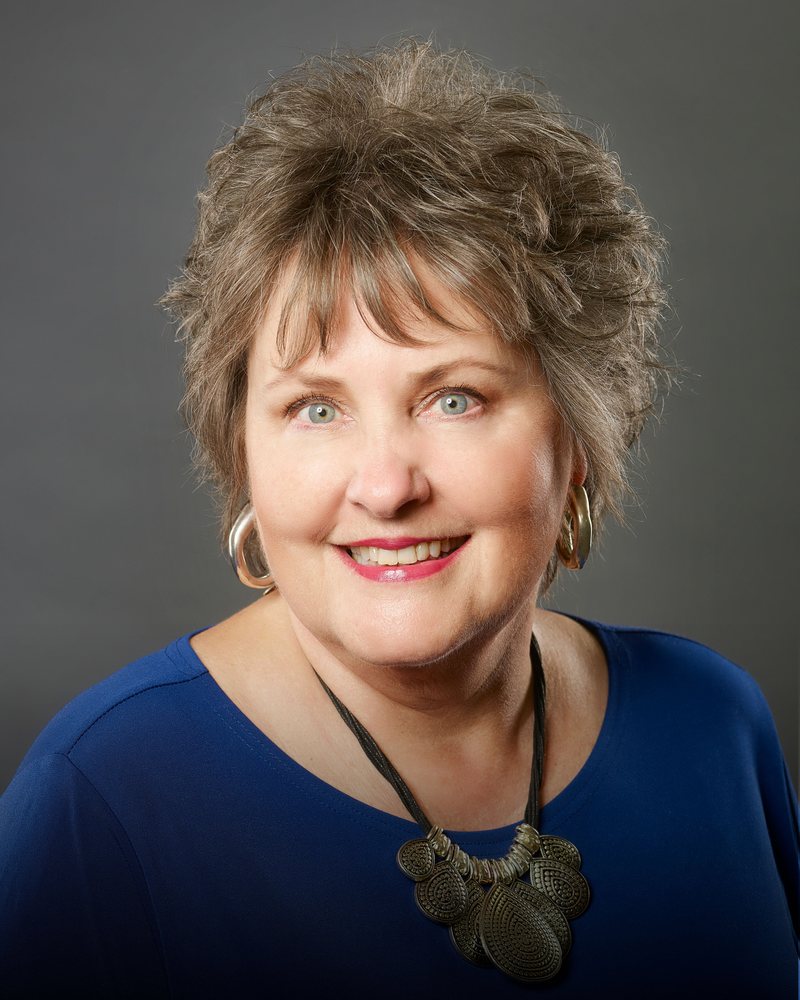
Debby Winall, Associate Broker and REALTOR® with Berkshire Hathaway HomeServices PenFed Realty

About the author

The agent behind the book

Debby Winall is an Associate Broker with Berkshire Hathaway HomeServices PenFed Realty in North Chesterfield, Virginia. She has sold real estate in Greater Richmond since 1986, has closed more than 1,000 transactions, holds the GRI, SRES® and MRP designations, and is a REALTOR®.

She grew up in a Navy family that moved every one to three years, from Michigan and Illinois to California and Belgium. She trained in fashion design and was doing dressmaking from home when her father suggested real estate. Her first desk was at Bowers, Nelms & Fonville, and she then spent ten years at Slater Realtors in a new subdivision alongside five custom builders, which taught her how houses are put together.

Clients call her a mother hen, and she accepts the label. She treats a client’s money as carefully as her own, says plainly when a house or a deal is wrong, and answers calls and messages the same day.

The book

Six chapters on the values behind the work

There’s No Substitute for Experience starts with the two people who shaped Debby most: her mother, Mary Ann, who could turn any temporary house into a home, and her father, Billy, who taught her that your word is your bond. From there it follows her path into Richmond real estate, explains how she reads a house the way a builder would, and closes with 21 lessons drawn from a career that began in 1986.

Patience

Buying or selling a home is stressful. Debby asks clients what worries them so she can walk them through it, and keeps a steady tone even on the eleventh explanation.

Communication

She can be blunt, a trait she credits to her father, and she has spent her career pairing that directness with empathy so clients get clarity without pressure.

Transparency

She tells clients the good, the bad and the ugly about a property, even when the honest answer costs her a sale.

“I look at your money like it’s my money.”

Debby Winall, Chapter 3

Inside the book

Every chapter, published in full

Open any chapter to read it from start to finish. Chapter 6 holds all 21 lessons.

When I think about what shaped me into the real estate professional I am today, my mind always wanders back to my mother, Mary Ann. She was the heart of our family, the one who could turn any house into a home, no matter how temporary our stay. This is her story, and in many ways, it’s the beginning of mine.

I’m Debby Winall, and my journey began in a whirlwind of constant movement. Born in Michigan, I lived there for a mere three weeks before our family was off to the next destination. As a military family, we moved every one to three years, bouncing between Illinois, Virginia, and California, and even spending time in Belgium. Through it all, my mother was our anchor, our source of stability in an ever-changing world.

The Art of Making a Home

Mom had this incredible gift: the ability to transform any space into a warm, welcoming haven. We didn’t have much in terms of material possessions, but that never stopped her. I remember watching in awe as she worked her magic in each new house. She’d sew curtains from whatever fabric she could find, rearrange furniture to make the most of small spaces, and add little touches that made each place uniquely ours.

“A house is just a building, but a home is where love lives.”

Those words stuck with me, shaping my understanding of what truly matters in a living space. It wasn’t about the size of the rooms or the fancy appliances. It was about the feeling you got when you walked through the door.

Kindness as a Way of Life

One of Mom’s most defining qualities was her kindness. Despite our own limited resources, she always found ways to help others who had even less. I can still picture her in the kitchen, preparing extra food for the sailors my dad would bring home from his ship during the holidays. These were men with nowhere else to go, and Mom welcomed them as if they were family.

"There’s always room for one more at our table," she’d say, and she meant it. It didn’t matter if we were stretched thin: in Mom’s world, there was always enough to share if you approached life with an open heart.

This lesson in generosity has stayed with me throughout my life and career. When I work with clients today, I often find myself channeling my mother’s spirit. Whether it’s going the extra mile to help a young couple achieve their dream of homeownership or ensuring a senior feels supported during a difficult downsizing process, I try to approach each interaction with the same kindness and giving nature that Mom exemplified.

The Power of Patience and Understanding

Mom was a master of patience, especially considering she was raising five children while dealing with the challenges of military life. She had this remarkable ability to remain calm in the face of chaos, a trait I’ve come to appreciate more and more as I’ve grown older.

I remember one particular incident when I was about 12. Mom had been sewing clothes for us, as she often did to save money. I wanted my skirts hemmed shorter, inspired by the fashion icon Twiggy. When Mom refused, insisting on a more modest length, I declared that I’d make my own clothes. Instead of getting upset or shutting down my ambition, she patiently taught me how to sew.

That patience extended to how she disciplined us, too. She had a way of making us understand the consequences of our actions without resorting to harsh punishments. We would hear it in her voice and know she had reached the end of her patience. That tone was enough to make us straighten up and fly right.

A Legacy of Love and Respect

Perhaps the most important lesson Mom imparted was the value of treating everyone with equal respect and kindness. Despite coming from challenging circumstances herself (she was raised by her grandmother after her parents divorced), Mom never let her past hardships harden her heart.

I witnessed how she treated her own mother, stepfather, and step-siblings with such loving kindness. There was a significant age gap, but Mom approached these relationships as if she were a caring older sister. Years later, my aunt told me, "Your mom and dad were like second parents to me." It was a testament to the impact of Mom’s loving approach to family, regardless of blood ties.

This inclusive, respectful attitude has profoundly influenced how I interact with my clients. In the real estate world, I meet people from all walks of life with diverse backgrounds and needs. Mom taught me to see beyond surface differences and treat everyone with the same level of care and consideration.

The Lasting Impact

As I reflect on my mother’s influence, I realize how deeply it has shaped my approach to real estate. When I help a family find their new home, I’m not just thinking about square footage and school districts. I’m channeling my mother’s ability to see the potential for love and life in every space.

When I advise clients on how to prepare their home for sale, I often find myself sharing tips that Mom used to make our temporary houses feel like home. It’s not just about staging; it’s about helping potential buyers envision the life they could build in that space.

And when deals get tough or emotions run high, as they often do in real estate transactions, I draw on the well of patience and understanding that Mom cultivated in me. I strive to be that calm presence that can guide clients through the storms of one of life’s most significant decisions.

Mom passed away on December 29, 2004, but her legacy lives on in every interaction I have and every home I help create. She taught me that a home is more than just a physical space; it’s a feeling, a sanctuary, a place where memories are made, and love grows.

Looking back on a career that began in 1986, I’m profoundly grateful for the foundation my mother laid. Her lessons in kindness, patience, creativity, and love have been the cornerstone of my success. But more importantly, they’ve allowed me to make a real difference in people’s lives, one home at a time.

So when you work with me, know that you’re not just getting a real estate agent. You’re getting someone who learned from the best: a woman who knew how to make a home anywhere and make anyone feel like family. Because, in the end, isn’t that what finding the perfect home is all about?
When I think about the foundations of my career in real estate, I can’t help but reflect on the profound influence my father, Billy, had on shaping who I am today. His lessons in integrity, discipline, and generosity have become the cornerstones of my approach to business and life.

A Small Town Start

My dad’s story begins in Havana, Illinois, a small town that instilled in him the values of hard work and perseverance. His parents divorced when he was young, which was unusual for that time. This early experience of adversity shaped his outlook on life and relationships.

As a young boy, Dad helped out in his father’s tavern. He’d wake up at 5 AM to carry beer bottles down to the basement and bring the full ones up, all before heading to school. This early taste of responsibility laid the groundwork for his incredible work ethic.

When he joined the Navy, Dad found it to be a breeze compared to his earlier life. While others complained about the early mornings and rigorous routines, he thrived. This adaptability and positive attitude in the face of challenges are qualities I’ve tried to emulate throughout my life and career.

The Power of Integrity

If there’s one word that encapsulates my father’s core values, it’s integrity. He drilled this into my head from an early age, always emphasizing that your word is your bond.

“You are a person of your word. If you tell somebody you’re going to do something, then that’s what you’re going to do.”

This lesson has been invaluable in my real estate career. When I make a commitment to a client, whether it’s to find them the perfect home or to sell their property at the best possible price, they know they can count on me to follow through. In an industry where trust is paramount, my father’s emphasis on integrity has been my guiding light.

I remember Dad saying, "You can lose a lot of things and get them back, but you can’t get your integrity back once it’s gone." This wisdom has helped me navigate countless situations in my career, always choosing the path of honesty and transparency, even when it might be easier to cut corners.

Discipline: The Key to Long-Term Success

Another trait I inherited from my dad was his unwavering discipline. Even now, at 80 years old, he maintains a strict schedule that would put many younger folks to shame. Mondays at the gym, Tuesdays for grocery shopping, golf on Wednesdays, Fridays, and Sundays; it’s clockwork.

This discipline has been crucial in my real estate career. The market can be unpredictable, but having a solid routine and work ethic keeps me grounded and productive. Whether it’s following up with clients, staying on top of market trends, or continually educating myself, I approach each day with the same discipline my father instilled in me.

For my clients, this translates into reliability and consistency. They know that when they work with me, they’re getting someone who will be there every step of the way, not just when it’s convenient.

Generosity: The Heart of Service

While integrity and discipline form the backbone of my approach, it’s my father’s generosity that truly sets the tone for how I interact with clients and colleagues alike. Dad always looked out for others, especially his fellow Navy men. I remember Joe Gadko, a sailor who didn’t have any family. Dad would invite him along on our family camping trips, essentially making him a part of our family.

This spirit of generosity has deeply influenced how I approach my work in real estate. It’s not just about closing deals; it’s about truly caring for the people I’m helping. When I’m working with a client, I’m not just thinking about the commission. I’m thinking about how I can go above and beyond to ensure they’re getting the best possible outcome.

There have been times when I’ve cut my commission to help a young couple afford their dream home or spent extra hours researching to find the perfect property for a client with specific needs. These actions might not always benefit me financially in the short term, but they align with the values my father taught me, and they’ve helped me build a reputation and a business based on genuine care and service.

The Unexpected Path to Real Estate

Interestingly, it was my dad who nudged me toward real estate, though I didn’t take the hint right away. After retiring from the Navy, he ventured into real estate himself. He must have seen something in me that I hadn’t yet recognized.

One day, out of the blue, Dad called and said, "Deb, do you know that women can make as much money in real estate as men if they’re willing to work?" At the time, I was 25 and unhappy in my marriage. I needed a way to support myself and my son independently. Dad’s words were the push I needed. I got my license and never looked back.

This moment perfectly encapsulates my father’s influence: he saw potential in me, offered guidance without being pushy, and ultimately empowered me to make a decision that would change my life. Now, when I’m working with clients who are at a crossroads in their lives, maybe considering a big move or investing in property for the first time, I try to channel that same supportive energy. I provide them with the information and encouragement they need to make confident decisions about their future.

A Living Legacy

Looking back on a career that began in 1986, I’m profoundly grateful for the foundation my father laid. His lessons in integrity, discipline, and generosity have been the cornerstone of my success. But more importantly, they’ve allowed me to make a real difference in people’s lives, one home at a time.

When you work with me, you’re not just getting a real estate agent. You’re getting someone who was taught by the best: a man who understood the value of hard work, the power of keeping your word, and the importance of helping others. These aren’t just nice ideas; they’re the principles that guide every interaction I have and every decision I make in my business.

So, whether you’re buying your first home, selling a family property, or looking to invest, know that you’re working with someone who brings not just expertise, but a legacy of values that ensure your interests will always come first. Because in the end, that’s what my father taught me real estate, and life, is all about.

When I look back on my journey into real estate, I can’t help but smile at the unexpected turns life takes. Here I was, a fashion design graduate with a young son, doing dressmaking and alterations from home. It was a life I had chosen to avoid putting my child in daycare. Little did I know that a single phone call from my father would change the course of my career and life forever.

The Early Days: Learning the Ropes

My real estate journey began in Richmond, Virginia, far from my dad’s operation in Virginia Beach. I started with Bowers, Nelms & Fonville, which is now Long and Foster. However, it was in my second year that I made a pivotal move to Slater Realtors under the guidance of Earl Jackson.

Those ten years were a crash course in understanding homes from the ground up. I learned about workmanship, quality, and the intricacies of floor plans. I was given an opportunity to work in a new subdivision with five custom builders for ten years. It was during that time that I met my late husband Craig who enhanced my knowledge of construction and taught me more than anyone I had ever known in the business. Little did I know then how valuable this knowledge would become in my future dealings with clients, especially in an era of "flipped" homes and quick renovations.

The Value of Experience

Now, when I walk into a home with clients, I see beyond the surface. I can spot the quality of workmanship, understand the potential of a floor plan, and identify the pitfalls of poorly executed renovations. This knowledge has become my superpower in protecting my clients.

I remember one particular situation where I noticed several red flags in a flipped property my clients loved. When we got to the inspection stage, my concerns were validated. There were significant issues with water, mold, and rot that the flipper had glossed over. My clients were shocked but grateful. They realized that without my experience, they might have made a costly mistake.

This is why I always emphasize to my clients the importance of looking beyond the pretty picture. It’s not just about finding a house; it’s about finding a home that will serve you well for years to come.

The Mother Hen Approach

Over my years in practice, I developed what I call the "mother hen" approach. This isn’t just a cute saying; it’s a promise. I look out for you in every aspect, from where you’re getting your financing to ensuring the house you’re buying is a sound investment.

I respect that buying a home is a huge decision and a significant investment. That’s why I look at your money like it’s my money. I don’t want to be spending where we don’t have to spend. Even during the COVID-19 pandemic, when prices were skyrocketing, I felt terrible about what I had to tell people they needed to do to get a property. It felt ludicrous, but I always reminded my clients, "You’re my peeps. I’m going to keep you safe under here."

This protective instinct extends to three main areas: money, the house itself, and the lender. I’m always conscious of my clients’ financial situations, especially when a budget is tight. I make sure they understand the ongoing costs of homeownership, from potential repairs to the expenses of a well and septic system in rural properties.

My Philosophy: Patience, Communication, and Transparency

Patience is crucial in this business. Buying or selling a home is stressful, and I’ve learned that both my clients and I need to be patient. I always tell my clients to let me know what their issues are or what they’re scared of so I can help them through it. "Relax," I tell them, "We will get through this."

Communication goes hand in hand with patience. I’ve had to work hard on my communication skills over the years. I can be blunt, a trait I inherited from my father, but I’ve learned to temper that with empathy and understanding. I’m constantly learning and improving, always trying to put myself in my client’s shoes.

Transparency is non-negotiable for me. I don’t play games. It’s very unnatural for me to lie or be dishonest in any way. I am who I am, and I’m going to be honest about who I am. My clients can either accept me for who I am, or if they’re not comfortable, I understand that too.

The Benefits of My Approach

My clients benefit from this approach in several ways. Through patience, they gain a deeper understanding of the process and their options. My commitment to clear communication helps them make knowledgeable decisions. And my transparency builds trust, which is fundamental in this business.

Trust, to me, means safety. It means helping my clients make good decisions that lead to happiness. When I reflect on the hundreds of people I’ve helped since my career began in 1986, what’s most important to me is their happiness. It makes me joyful to know I’ve helped them make good decisions.

Life is hard, as we all know. My goal is to make the home-buying or selling process a good experience, a bright spot in my clients’ lives. I want them to feel safe, secure, and comfortable with their decisions.

Looking Ahead

My journey into real estate may have started with a simple phone call from my father, but it’s evolved into a lifelong passion for helping people find not just houses, but homes. Homes where they can build their lives, create memories, and feel secure.

So, whether you’re buying your first home, looking for more space, or ready to downsize, know that when you work with me, you’re getting more than just a real estate agent. You’re getting a mother hen who will take you under her wing, protect you fiercely, and guide you toward making the best decision for your future. Because, in the end, that’s what real estate, and life, is all about.

When you’ve been in the real estate business as long as I have, you develop a kind of x-ray vision. It’s not just about seeing the physical structure of a house; it’s about visualizing the potential, understanding the hidden costs, and, most importantly, seeing how a house can become a home for my clients. This ability didn’t come overnight; it’s been honed through years of experience, countless transactions, and a lifetime of learning.

The Flipper’s Illusion

In recent years, we’ve seen a surge in what we call "flipped" homes. These are houses that investors buy, quickly renovate, and put back on the market for a profit. On the surface, they can look like a dream come true: all shiny and new. But let me tell you, appearances can be deceiving.

I remember one particular case that really drives this point home. I had clients who were absolutely smitten with a flipped property. It was empty, beautifully staged, and at first glance, it looked perfect. But as we walked through, I started noticing things that raised red flags.

"Look," I said, pointing to the trim, "they didn’t even finish this properly." We moved to the kitchen, and I showed them how the cabinets weren’t aligned correctly. "These are things you can’t just arbitrarily change later," I explained. "If this is what we’re seeing, what aren’t we seeing?"

My clients were a bit taken aback. They hadn’t noticed these details in their excitement. But that’s why I’m here: to be their eyes and ears, to see beyond the pretty picture.

The Inspection Revelation

We decided to move forward with an inspection, and that’s when the real issues came to light. There was water damage, mold in the foundation, and significant rot that had been cleverly concealed. My clients were shocked but also incredibly grateful.

“Deb, we would have made a huge mistake without you.”

This is why I always tell my clients, "I’m going to tell you the good, the bad, and the ugly. It’s going to be your choice, but if it’s really bad, I’m going to push you against it if I can." It’s not about crushing dreams; it’s about protecting my clients from potential nightmares.

The Domino Effect of Home Improvements

One of the most valuable lessons I’ve learned in my career is understanding the domino effect of home improvements. It’s a concept that many homebuyers, especially first-timers, struggle to grasp. They see a kitchen they want to update and think, "Oh, we’ll just change the cabinets." But it’s never that simple.

I always break it down for them: "Alright, you want to change the kitchen. That’s great. You can put all the new cabinets in there. But now, not only are you going to do new cabinets, but you’re going to have to do new countertops. Then you’re going to have to get a new sink, and then you’re going to do the faucet. Then what are you going to do with the backsplash? Are you going to change that? And what about all these appliances? You’re going to have to have brand new appliances."

By the time I finish explaining, their eyes are usually wide with realization. So now to redo a kitchen, we’re talking thousands of dollars. It’s not just something you can get done for three or four thousand. You’re probably talking minimum $15,000 to $20,000. And that’s not even an expensive kitchen.

This "see-through vision" is crucial. When a client says "new cabinets," I’m already seeing floors being ripped up, plumbing being moved, electrical work being redone. It’s not about discouraging them; it’s about giving them a realistic picture of what they’re getting into.

The Living Space Puzzle

Another aspect of "seeing through walls" is understanding how people will actually live in a space. This is where my background in fashion design comes in handy. Just like in fashion, where you need to understand how a garment will fit and move on a body, in real estate, you need to understand how a family will fit and move through a new home.

I often tell clients, "This layout doesn’t work. How are you going to live in it?" I encourage them to really think about their daily routines, their furniture, and their lifestyle. "If you have a room that has big furniture that you love, like a master bedroom with a king-size bed, then measure the room. If it can’t be any smaller, then we’re going to measure the rooms in this house to see if your stuff is going to fit in it. Are you going to get all new stuff? Is it going to be too small?"

It’s about helping them visualize their life in this space, not just the space itself. This approach has saved many clients from making costly mistakes or ending up in homes that just don’t suit their needs.

The Emotional Intelligence of Real Estate

I’ve had situations where I’ve explained something to a client ten times, and they’re still not getting it. In these moments, it’s easy to get frustrated. But I’ve learned that getting upset doesn’t help anyone. Instead, I take a deep breath and try to explain it in a different way.

"I’ve got to keep them calm so they’re thinking clearly," I often remind myself, "because I don’t think people make wise decisions when they’re upset." This is where emotional intelligence comes in. When a client’s emotions are running high, that’s when I need to be at my calmest and most rational.

It’s like what I call the 11th principle: I’ve told you this ten times, but I’m going to tell you the 11th as if I’m saying it for the first time. There’s a tone that patience carries, and it’s this tone that can make all the difference in a tense situation.

The Cumulative Wisdom of Experience

People often ask me about my years of experience in real estate. But I don’t think about it in terms of years. I think about it in terms of the people I’ve helped and the lessons I’ve learned from each transaction.

Since I started in this business in 1986, I’ve helped hundreds of people find their homes. Each transaction has taught me something new. If you do the math, that’s thousands of unique problems I’ve helped solve and thousands of lessons I’ve learned.

This cumulative wisdom is what I bring to every new client. When I’m working with you, you’re not just getting my experience since 1986. You’re getting the benefit of every lesson I’ve learned from every client I’ve ever helped.

The Trust Economy

In today’s world, trust is more valuable than ever. We’re living in what I call the "trust economy." People aren’t sure who to trust or what’s real anymore. That’s why I believe in putting the "sales" thing aside at the beginning of a relationship and focusing on connecting.

I’ve learned that the quickest way to build trust is to share my story and be genuinely curious about my client’s story. This approach allows me to understand where my clients are coming from and adapt my approach to best serve them.

Looking to the Future

As we move into an era where artificial intelligence is becoming more prevalent in our industry, I believe that this human connection, this emotional intelligence, will become even more crucial. AI can crunch numbers and analyze market trends, but it can’t replicate the intuition and empathy that come from years of working with people.

That’s why I’m committed to continually developing my "seeing through walls" skills, not just in terms of understanding houses, but in terms of understanding people. Because at the end of the day, real estate isn’t just about properties. It’s about helping people find their place in the world, their sanctuary, their home.

So, when you work with me, know that you’re getting more than just a real estate agent. You’re getting a partner who can see beyond the surface, understands the complexities of both properties and people, and is committed to guiding you through one of the most significant decisions of your life. Because in this business, seeing through walls isn’t just a skill; it’s an art.

When you’ve been in the real estate business as long as I have, you develop a certain philosophy: a way of approaching your work that goes beyond just buying and selling houses. It’s about understanding people, protecting their interests, and helping them make one of the biggest decisions of their lives. Let me take you through the evolution of my real estate philosophy and how it shapes the way I work with my clients today.

The Three Pillars: Patience, Communication, and Transparency

Over the years, I’ve distilled my approach into three key principles: patience, communication, and transparency. These aren’t just buzzwords; they’re the foundation of everything I do.

<strong>Patience</strong> is crucial in this business. Buying or selling a home is stressful, and I’ve learned that both my clients and I need to be patient. I always tell my clients, "Let me know what your issues are or what you’re scared of so I can help you through it. Relax, we will get through this."

<strong>Communication</strong> goes hand in hand with patience. I’ll be honest; I’ve had to work hard on my communication skills. I can be blunt, a trait I inherited from my father. But over the years, I’ve learned to temper that with empathy and understanding. I’m constantly learning and improving, always trying to put myself in my client’s shoes.

<strong>Transparency</strong> is non-negotiable for me. I don’t play games. It’s very unnatural for me to lie or be dishonest in any way. I am who I am, and I’m going to be honest about who I am. My clients can either accept me for who I am, or if they’re not comfortable, I understand that too.

The Mother Hen Approach: Protection and Care

I often tell my clients, "I’m the mother hen, and you’re my peeps. I’ve got you under my wing, and I’m going to look out for you." This isn’t just a cute saying; it’s a promise. When you hire me, you’re not just getting someone to handle a transaction or set things up. You’re hiring me for protection.

This protective instinct extends to three main areas: money, the house itself, and the lender. I look at your money like it’s my money. I don’t want to be spending where we don’t have to spend. When it comes to the house, I’m always conscious of whether it’s something my clients can maintain, especially when a budget is tight.

As for lenders, I always encourage my clients to use one of my trusted lenders. I’m upfront about this: I tell them the only thing I get from it is good service for my clients. I want a lender who thinks, like I do, that the client is more important than their paycheck.

Navigating the World of Flipped Homes

In recent years, we’ve seen a surge in flipped homes: houses that investors buy, quickly renovate, and put back on the market for a profit. On the surface, they can look like a dream come true. But appearances can be deceiving.

When clients fall in love with a beautifully staged flipped property, it’s my job to slow down the excitement and look deeper. Are the cabinets aligned? Is the trim finished properly? What’s behind those fresh walls? When inspections reveal water damage, mold, and rot that the flipper concealed, my clients are always grateful they had someone watching out for them.

“I’m going to tell you the good, the bad, and the ugly. It’s going to be your choice, but if it’s really bad, I’m going to push you against it if I can.”

It’s not about crushing dreams; it’s about protecting my clients from potential nightmares.

The Importance of Emotional Intelligence

As we move into an era where artificial intelligence is becoming more prevalent in our industry, I believe that emotional intelligence will become even more crucial. AI can crunch numbers and analyze market trends, but it can’t replicate the intuition and empathy that comes from years of working with people.

I’ve learned that when emotions are high, intelligence often drops. This is especially true in real estate transactions, where the stakes are high and the process can be stressful. In these moments, it’s my job to remain calm and rational, to be the steady hand guiding my clients through the storm.

Personal Growth and Its Impact on My Work

My journey in real estate has been intertwined with my personal growth. Recently, I completed a four-month detox program, focusing on cleaning not just my body but also my mind. I’m committed to clean eating and living.

This focus on health isn’t just for me; it’s part of my goal to continue working for many years to come. I believe that to serve my clients well, I need to be at my best, both physically and mentally.

This journey of personal growth has deepened my empathy and understanding. When I work with clients who are going through major life changes (divorce, downsizing after losing a spouse, or any other significant transition), I can relate on a personal level. I understand that buying or selling a home is often just one part of a larger life change.

Looking to the Future

With a career that began in 1986, I’m more excited than ever about the future. The industry is changing rapidly, with new technologies emerging all the time. But I believe that the core of what we do, helping people find their place in the world, will always require a human touch.

My goal is to continue evolving, learning, and growing so I can provide the best possible service to my clients. Whether you’re buying your first home, selling a family property, or looking to invest, know that you’re working with someone who brings not just expertise but a legacy of values that ensures your interests will always come first.

Because, in the end, that’s what real estate, and life, is all about. It’s about creating a space where you can feel safe, secure, and happy. And if I can help you achieve that, then I’ve done my job well.

These are the 21 most important lessons I’ve learned since I started in this business in 1986. Each one of these could save you time, money, or heartache in your real estate journey. Whether you’re a first-time homebuyer, a seasoned investor, or just curious about the real estate world, these lessons will give you a new perspective. This is the chapter you’ll want to bookmark and come back to again and again.

Lesson 1. The Art of Home Creation

I learned from my mother that a house is just a building, but a home is where love lives. When I show a property to clients, I’m not just pointing out square footage and amenities; I’m helping them envision how they can transform that space into their own haven. By sharing tips my mom used to make our temporary houses feel like home, I help potential buyers see beyond the current decor or layout. My goal is to help clients not just find a house but to create a home where they can build their lives and make memories.

Lesson 2. Kindness as a Cornerstone

My mother’s generosity, even when we had little, taught me that kindness should be the foundation of everything we do. There have been times when I’ve cut my commission to help a young couple afford their dream home or spent extra hours researching to find the perfect property for a client with specific needs. I always tell my clients, "I’m here to help you, not just to make a sale." My clients know they’re getting an agent who truly has their best interests at heart, not someone who’s just looking for a quick commission.

Lesson 3. The Power of Patience

Both my parents taught me the value of patience, and it’s a lesson that serves me well in real estate. Buying or selling a home can be a stressful, emotional process, and it’s my job to be the calm in the storm. I often find myself explaining complex concepts multiple times, and that’s okay. My patience allows clients to feel comfortable asking questions and expressing concerns. "I don’t care how long it takes. We’ll find the perfect place for you."

Lesson 4. Integrity Above All

My father drilled into me the importance of integrity. "If you tell somebody you’re going to do something, then that’s what you’re going to do." When I make a commitment to a client, they know they can count on me to follow through. I’m always upfront about potential issues with a property, even if it might cost me a sale. "I know you love this house, but I have to point out these problems. It wouldn’t be right not to tell you." In the long run, this approach has led to more referrals than any short-term gain ever could.

Lesson 5. The Strength of Discipline

My father’s disciplined approach to life taught me the value of consistency and hard work. I have systems in place to ensure no detail is overlooked, from regular check-ins with clients to meticulous property research. "You can count on me to stay on top of every aspect of your transaction." This discipline means my clients never have to worry about missed deadlines or overlooked details. It’s all part of my commitment to providing a smooth, stress-free experience.

Lesson 6. Generosity in Business

My father’s generosity showed me that success in business doesn’t have to come at the expense of others. Sometimes, this means recommending against a purchase if I don’t think it’s in their best interest, even if it means losing a commission. "I know you like this house, but based on what you’ve told me about your needs, I don’t think it’s the right fit. Let’s keep looking." This builds trust and often leads to stronger, long-term relationships.

Lesson 7. Adaptability is Key

Growing up in a military family, moving every one to three years, taught me the invaluable skill of adaptability. When I work with clients who are relocating, I understand their fears and excitement on a personal level. "I know moving can be scary, but it’s also an opportunity for a fresh start. Let me help you see the possibilities in this new area." This empathy, combined with practical advice, helps my clients navigate relocation with more confidence and less stress.

Lesson 8. Seeing Potential Where Others Don’t

My background in fashion design taught me to see potential where others might not. I might walk into a dated kitchen with a client and say, "I know it looks old now, but imagine if we knocked down this wall and opened it up to the living room. It could be a fantastic entertaining space." This ability to see and communicate potential helps my clients consider properties they might otherwise overlook, often leading them to find hidden gems that perfectly suit their needs and budget.

Lesson 9. Never Stop Learning

Throughout my life, I’ve never stopped learning, whether it was fashion design, transcendental meditation, personal development, or the latest real estate trends. I regularly attend seminars, read industry publications, and network with other professionals to stay on top of market trends and best practices. "The real estate market is always changing, but you can count on me to have the most up-to-date information." My clients always benefit from current, relevant advice.

Lesson 10. Emotional Intelligence in Real Estate

Over the years, I’ve learned that success in real estate isn’t just about knowing properties and markets; it’s about understanding people. If I sense a client is feeling overwhelmed, I might say, "Let’s take a step back and talk about what’s really important to you in a home." This emotional intelligence allows me to navigate tense negotiations, calm anxious buyers or sellers, and ensure that emotions don’t cloud important decisions.

Lesson 11. Clear Communication is Everything

I can be blunt; it’s a trait I inherited from my father. But over the years, I’ve learned to balance that directness with empathy and tact. Clear communication is vital in real estate, where misunderstandings can have significant consequences. If a client looks confused, I’ll say, "Let me explain that another way," and try a different approach. I’m not afraid to repeat important information to ensure it’s understood. This commitment to clear communication helps my clients make informed decisions.

Lesson 12. Experience Matters

With a career in real estate since 1986, I’ve accumulated a wealth of knowledge about home construction, market trends, and potential pitfalls. When looking at a flipped home, I might point out, "The new kitchen looks great, but let’s take a closer look at the foundation. In my experience, flippers often overlook major structural issues." My years in the business have taught me what to look for and what questions to ask, ensuring my clients have all the information they need.

Lesson 13. Holistic Well-Being in Home Buying

My recent focus on personal health and wellness has reinforced my belief in the importance of balance in all aspects of life, including home buying. I encourage clients to think beyond just the financial aspects of a purchase. "How will this home contribute to your overall quality of life? Is there space for your hobbies? How’s the commute to work?" By considering factors like lifestyle, personal growth, and long-term happiness, I help my clients make choices that will truly enhance their lives.

Lesson 14. The Power of Personal Stories

I’ve learned that sharing my own story and listening to my client’s stories is one of the fastest ways to build trust. When I meet new clients, I often share bits of my background: growing up in a military family and my journey into real estate. This openness encourages them to share their own stories, helping me understand their true needs. "Tell me about your childhood home. What did you love about it?" These conversations often reveal important details that help me find the perfect property.

Lesson 15. Looking Beyond Surface Appearances

My years in real estate have taught me to look beyond staged perfection and spot potential issues in homes. I always tell my clients, "I’m going to show you the good, the bad, and the ugly." This might mean pointing out that a beautifully renovated kitchen is covering up serious plumbing issues or that a perfectly staged home has a layout that won’t work for their family. By teaching my clients to look deeper, I help protect them from making purchases they might later regret.

Lesson 16. Understanding the Domino Effect in Home Improvements

One valuable lesson I’ve learned is how one change in a home can necessitate many others. When clients talk about renovations, I always explain the potential domino effect. "If you want to update the kitchen, remember that new cabinets often mean new countertops, which could lead to new flooring, and so on." This knowledge helps my clients budget realistically for home improvements and avoid unexpected costs down the line.

Lesson 17. Lifestyle Considerations in Home Selection

I’ve learned the importance of helping clients think through how they’ll actually live in a space. It’s not just about the number of bedrooms or the size of the yard; it’s about how the home fits their lifestyle. "Where do you see yourself having your morning coffee?" or "How do you envision entertaining in this space?" This approach helps prevent clients from buying homes that look good but don’t function well for their specific needs.

Lesson 18. Transparency Builds Trust

I’ve always believed in being completely honest with my clients, even when it’s difficult. If I see a problem with a property, I point it out immediately. "This house is in your budget and in a great location, but I have concerns about the foundation that you need to be aware of." This transparency sometimes means losing a sale, but it always means maintaining my integrity and my clients’ trust. My clients know they can rely on me for the full picture, not just what I think they want to hear.

Lesson 19. Protecting Clients Like Family

Whether it’s negotiating the best price, recommending trusted lenders, or advising on home inspections, I’m always looking out for my clients’ best interests. I treat their money like it’s my own, ensuring they’re making sound investments. This protective approach gives my clients peace of mind, knowing they have a fierce advocate in their corner throughout the buying or selling process.

Lesson 20. Understanding the Human Element

Over the years, I’ve learned that buying or selling a home is often tied to major life changes: marriage, divorce, a new baby, retirement. I always take the time to understand the bigger picture of my clients’ lives. "What’s prompting this move?" or "How do you see this home fitting into your five-year plan?" This understanding allows me to provide support that goes beyond just the transaction: to be a supportive partner in my clients’ life transitions.

Lesson 21. Staying Relevant in a Changing Industry

The real estate industry has changed dramatically since I started in 1986, and I’ve made it a priority to change with it. I’ve embraced new technologies and marketing strategies, but I’ve also maintained the personal touch that is crucial in this business. "I may not be the youngest agent out there, but I combine years of experience with up-to-date industry knowledge." This commitment to staying relevant ensures that my clients get the best of both worlds: the wisdom of experience and the efficiency of modern methods.

The Library

More books by Debby Winall

Three companion books, each written for a different part of a Richmond move: when to buy, how to price, and what to do when a deal wobbles before closing.

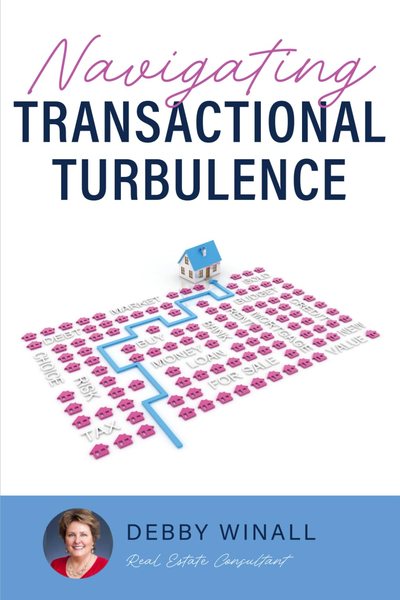
Navigating Transactional Turbulence by Debby Winall, book cover

Navigating Transactional Turbulence

One hundred sixteen problems that can unsettle a sale between contract and closing, and how each is handled.

Debby Winall Authority CenterEnter the Authority Center ↗

Questions and answers

What readers ask about the book

What is There’s No Substitute for Experience about?

It is Debby Winall’s own story and the values behind her work. The first two chapters are about her mother and father, the third follows her path from fashion design into Richmond real estate in 1986, the fourth and fifth explain how she reads a house and protects a client, and the sixth collects 21 lessons from her career.

What is Debby’s “mother hen” approach?

It is her promise to look out for clients in three areas: their money, the house itself and the lender. She treats a client’s money as if it were her own, checks whether a house is something the buyer can maintain, and points clients to lenders who put the client ahead of their paycheck.

What are the three pillars Debby works by?

Patience, communication and transparency. Patience because buying or selling is stressful, communication because she pairs a blunt streak with empathy, and transparency because she will tell you the good, the bad and the ugly, even when it costs her a sale.

What is the flipper’s illusion?

It is Debby’s name for a quickly renovated home that looks finished on the surface but hides problems underneath. Chapter 4 describes a staged flip with misaligned cabinets and unfinished trim where the inspection then found water damage, mold and rot.

What is the domino effect in home improvements?

One change leads to the next. New kitchen cabinets mean new countertops, then a new sink and faucet, then the backsplash and appliances. Debby uses it to help buyers budget realistically, and in Chapter 4 she puts even a modest kitchen redo at a minimum of $15,000 to $20,000.

How did Debby get into real estate?

Her father, a retired Navy man who had gone into real estate himself, called and suggested it. She was doing dressmaking from home at the time. She started at Bowers, Nelms & Fonville in 1986, then spent ten years at Slater Realtors working a new subdivision alongside five custom builders, which is where she learned how houses are put together.

Why does Debby recommend her own lenders?

She wants a lender who, like her, puts the client ahead of the paycheck. She tells clients plainly that the only thing she gets from the referral is good service for them.

Where does Debby work?

Debby is an Associate Broker with Berkshire Hathaway HomeServices PenFed Realty, based at 2737 McRae Road in North Chesterfield, Virginia. She serves buyers and sellers across Greater Richmond, with most of her work in Chesterfield County and more in Powhatan, Goochland and western Henrico.

Where can I buy the book?

There’s No Substitute for Experience is available on Amazon. Every chapter is also published in full on this page.